Planning a mountain vacation with kids in Whistler? You’re in for a treat. This world-class resort isn’t just for thrill-seekers—it’s a family paradise with cozy suites, kid-friendly ski schools, and plenty of off-slope fun. From resorts with pools to tubing parks and gondola rides, Whistler makes family travel surprisingly easy (and yes, enjoyable).
Below, you’ll find practical tips, lodging recommendations, and activity ideas to help you plan a Whistler family vacation that feels smooth from start to finish.
Why Whistler Works for Families
- Walkable Village: Everything’s close—lifts, dining, playgrounds, and gear shops. Explore the Whistler Village.
- Kid-Friendly Ski Resorts: Whistler Blackcomb offers ski lessons for children and gentle beginner zones. Learn more about ski & ride lessons.
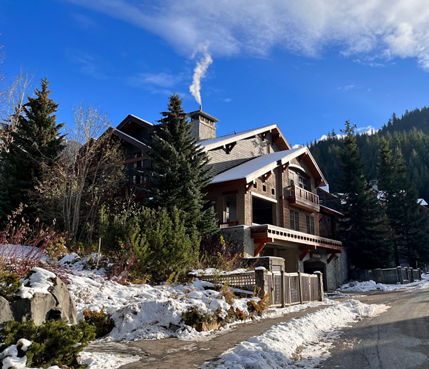
- Family Amenities: Pools, hot tubs, kitchenettes, bunk beds, and easy shuttle access. View Whistler family lodging options.
- Year-Round Fun: Snow tubing in winter, biking and lakeside play in summer. Winter activities | Summer family fun
Best Whistler Family-Friendly Lodging
When you’re traveling with kids, space and convenience matter. Here are top picks:
Legends Whistler
Steps from the Creekside Gondola, condo-style suites with a fitness centre, heated outdoor pool, two hot tubs (one family-specific), a children's games room, and so much more.
The Westin Resort & Spa
Steps from the gondola, suites with kitchenettes, and an indoor pool for post-ski play.
Hilton Whistler Resort & Spa
Spacious rooms, bunk-bed options, and year-round heated outdoor pool.
Delta Hotels by Marriott Whistler Village Suites
Two-bedroom suites, full kitchens, and a central location near playgrounds and shops.
Pro Tip: Book early for peak season (December–March) and ask about family packages—they often include lift tickets and ski school discounts.
Ski & Ride Lessons for Children in Whistler
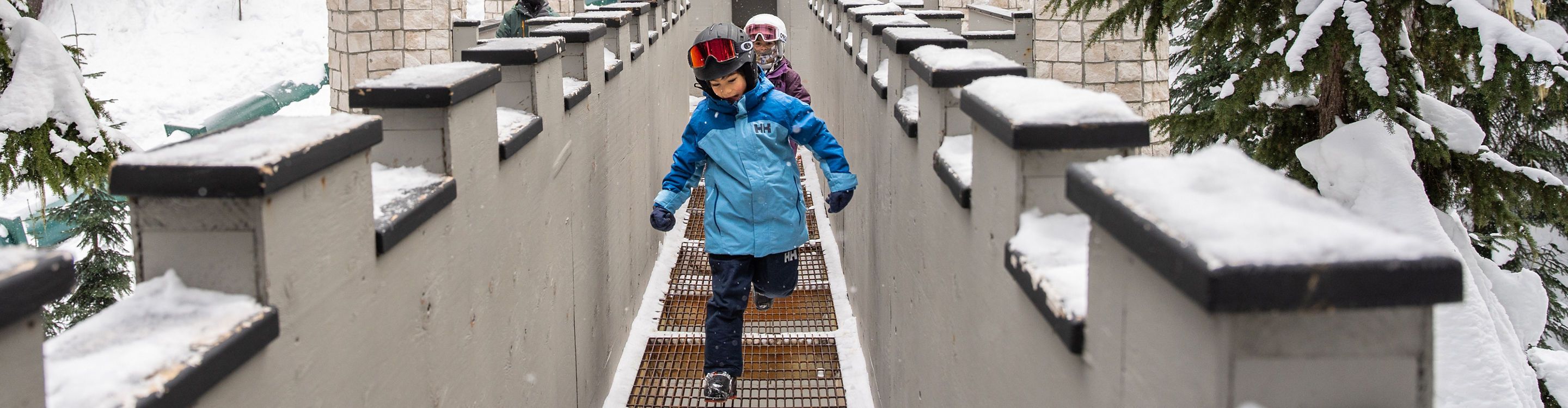
Whistler Blackcomb’s Ski & Ride School is legendary for a reason:
- Ages: Programs start as young as 3 years old.
- Small Groups: More attention, less overwhelm.
- Safety First: Certified instructors and gentle Learn-to-Ski terrain.
- Extras: Optional lunch programs and indoor play breaks.
Reserve ski & ride lessons early—holiday weeks sell out fast.
Family Activities Beyond the Slopes
- The bubly™ Tube Park: Big thrills with zero skill required. Get your tickets in advance
- Indoor Adventure Zone: Great for rainy days or rest days.
- Valley Trail Strolls: Perfect for strollers and little explorers. See easy winter trail options
- Olympic Plaza Playground: A scenic play space right in the village.
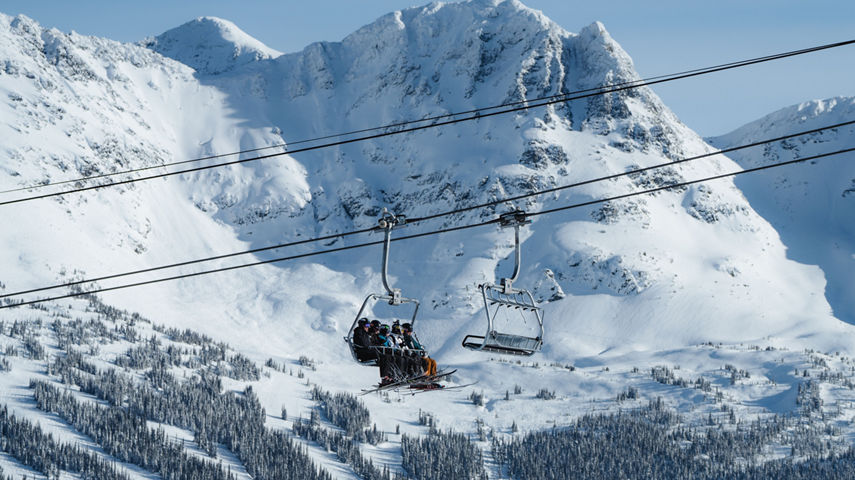
- PEAK 2 PEAK Gondola: Kids love the ride, adults love the views. Ride the PEAK 2 PEAK Gondola
Seasonal Planning Tips
WINTER
- Pack layers, waterproof mitts, and extra snacks.
- Book lodging and ski school early—Christmas and spring break sell out.
SPRING
- Shoulder-season perks: quieter slopes, lower pricing.
- Ideal for mellow family vibes and beginner lessons.
SUMMER
- Lakeside picnics, bike trails, and playgrounds.
- Book lodging with a pool—kids will thank you.
FALL
- Quiet trails and cozy evenings.
- Look for great deals on suites and spa packages.
FAQs: Quick Answers for Parents
- Is Whistler good for a family vacation? Absolutely—safe, walkable, and full of kid-friendly amenities.
- Do Whistler resorts have pools? Many of them do! Check family lodging options here.
- What age is best for ski lessons? Kids as young as 3 can start; ages 5+ tend to progress faster.
- Are there non-ski activities? Plenty—tubing, playgrounds, gondola rides, easy trails, and more.
- Do I need a car in Whistler? Not usually. The village is walkable, and shuttles help with gear. See Sea-to-Sky travel tips
Packing Checklist for Families
- Waterproof layers + extra gloves
- Swimwear for pools and hot tubs
- Snacks and refillable water bottles
- Compact sled or stroller for village walks
- Books, games, or quiet-time activities
Ready to Plan Your Whistler Family Getaway?
Imagine this: the kids laughing in the pool, your gear stashed steps from the gondola, and a cozy suite waiting after a day of adventure. Whistler makes family travel feel easy—and unforgettable. Start planning today, and let the mountains do the magic.